For the sake of clarity in distinguishing the two, I address John Winslow Whitman as Winslow, and Sarah Helen Whitman as Helen in this section. Both of which were actual nicknames that they were called during their lifetimes.
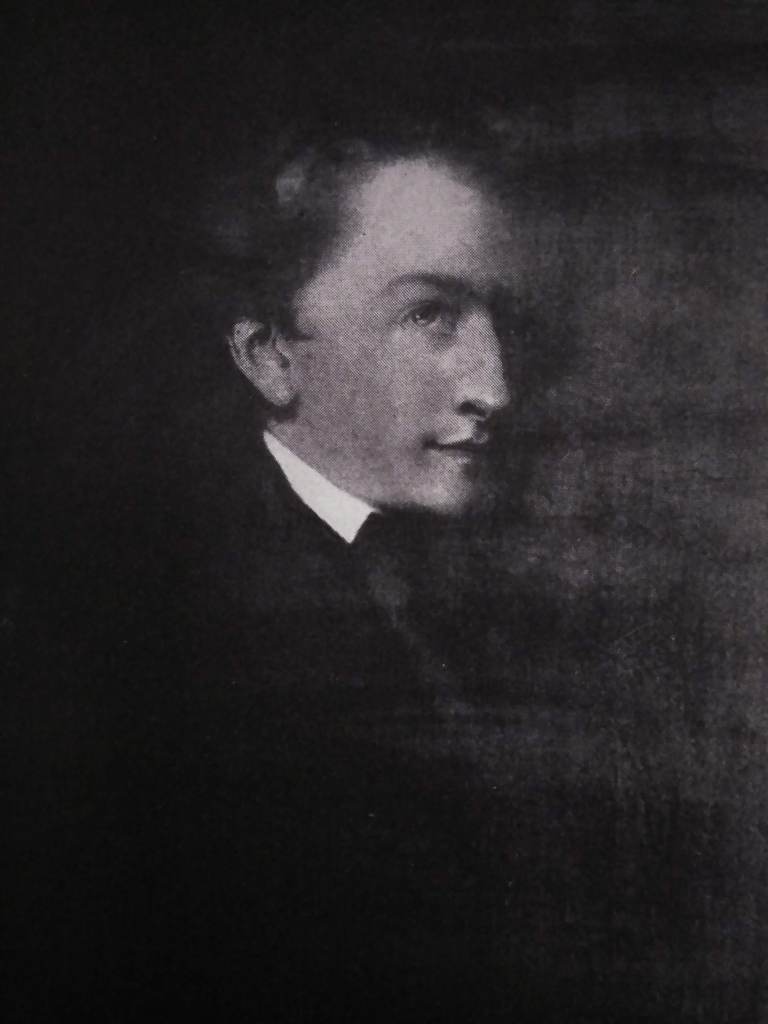
John Winslow Whitman (1798-1833) was the husband of Sarah Helen Power Whitman, albeit, for a brief time. Winslow graduated Brown University in 1818 and practiced law in Boston, Massachusettes. While he was a student attending Brown, Winslow often visited the Power home in pursuit of the oldest Power daughter, Rebecca. When Rebecca chose to marry a different suitor, Winslow turned his attention to Helen. He was fourteen years old and Helen was ten years old when they first met. Winslow often took time to converse with the young Helen during his visits to the house. He was accustomed to playing practical jokes on the Power family, which served as a source of laughter and entertainment, especially for Helen. In 1817, Winslow took a practical joke a bit too far when he set the President of the university’s haystacks on fire with the help of a few of his peers. An issue went out for Winslow’s arrest and he escaped to Boston, but not before writing a romantic letter to Helen.
In 1824, Winslow and Helen became engaged, finally marrying four years later. The wedding was held at Helen’s aunt and uncle’s home on Long Island, New York, on July 10, 1828. Her uncle, Cornelius Bogert, gave her away since her father was “dead.” Helen was able to escape her uptight life at home and move to Boston with her new husband.
Outside of his law practice, Winslow was affiliated with a magazine called, The Ladies’ Album, and a newspaper called, The Times. These publications served as an outlet for Helen as she began publishing her poetry, essays, and criticism. Boston was a progressive city that introduced Helen to the social reform movements that she would carry with her for the rest of her life. Abolition, temperance, transcendentalism, and vegetarianism were among those movements.
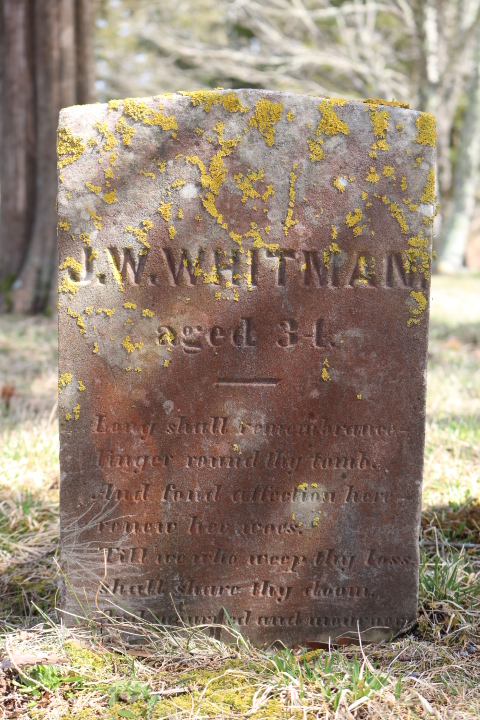
During their marriage, Winslow was arrested for writing a bad check. He was held at the Leverett Street prison in Boston and it was at this point in Helen’s marriage that she may have come to the realization that, like her mother, she married a very impractical man. In the summer of 1830, Helen and Winslow were visiting Providence. On one July evening, Winslow took a walk with Helen’s mother, Anna, to the Grotto down by the Moses Brown Bridge. Helen believed that it was on this walk that Winslow caught a cold that would eventually kill him. In 1833, while Winslow was visiting his father in Pembroke, Massachusetts, he died from complications of that lingering illness. Helen was visiting her mother in Providence at the time, and had not heard of her husband’s death until five days later when William Patten traveled from Pembroke to Providence to tell Helen the news that she was now a widow. Helen moved back into her mother’s house and remained in Providence for the rest of her life. She could now solidify her place among the female literati, for she had very tragically and poetically lost her husband.
John Winslow Whitman was interred at Center Cemetery in Pembroke, Massachusetts.
 Edgar Allan Poe: Rhode Island